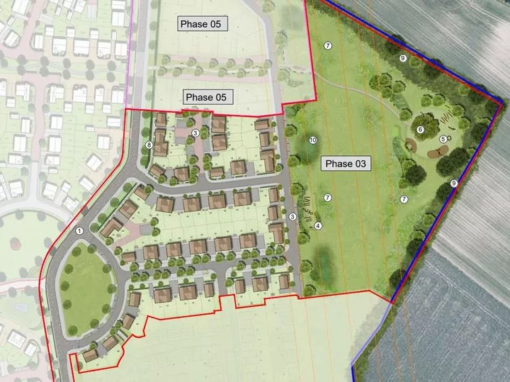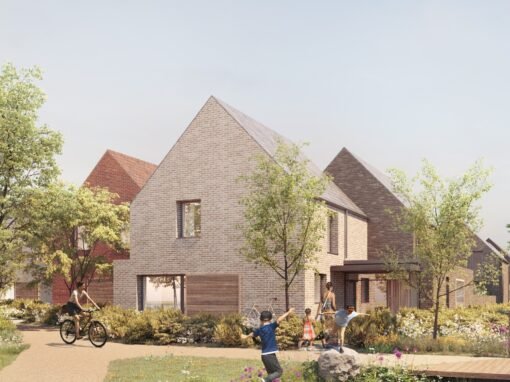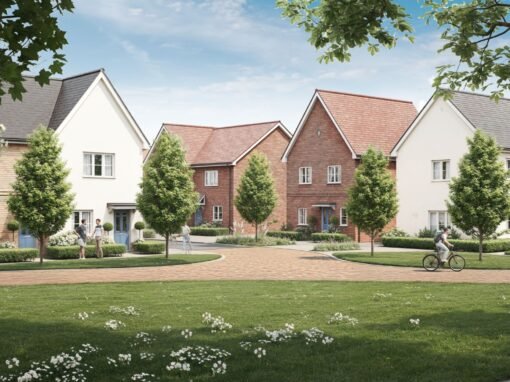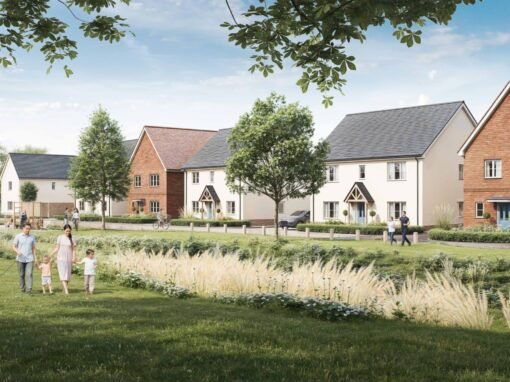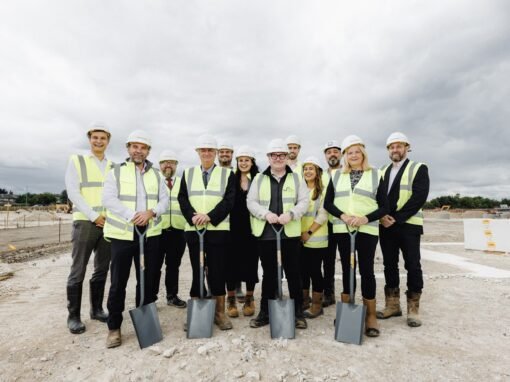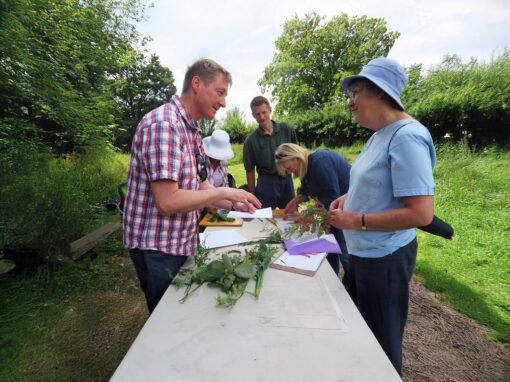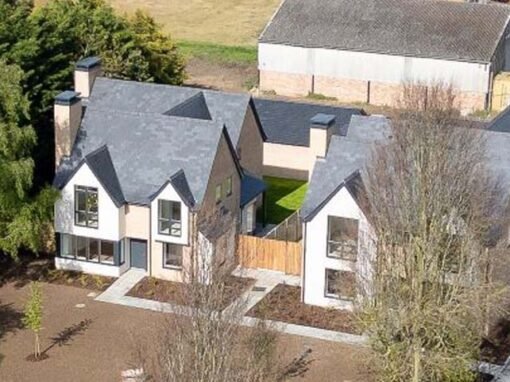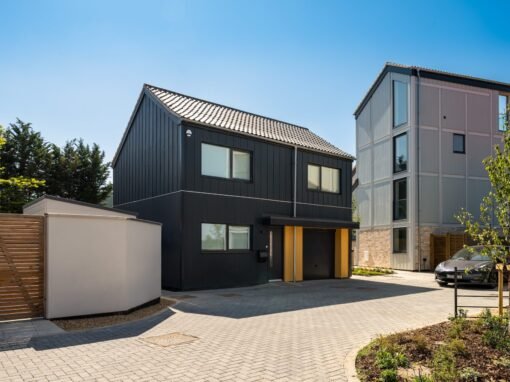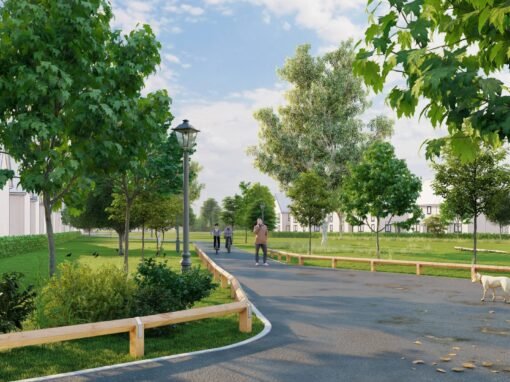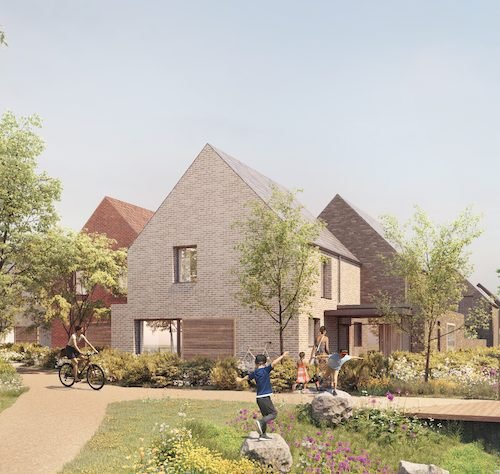

This Land submitted an outline planning application for up to 230 homes on land known as GB2, a site allocated for development within the Cambridge Local Plan to contribute towards the city’s housing needs. Key considerations included the site’s relationship with the Gog Magog Hills, the surrounding countryside and the environmental impact of the housing.
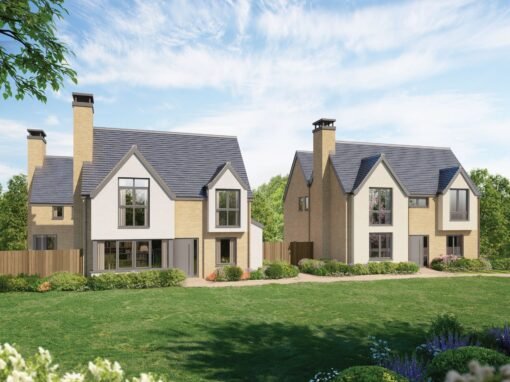
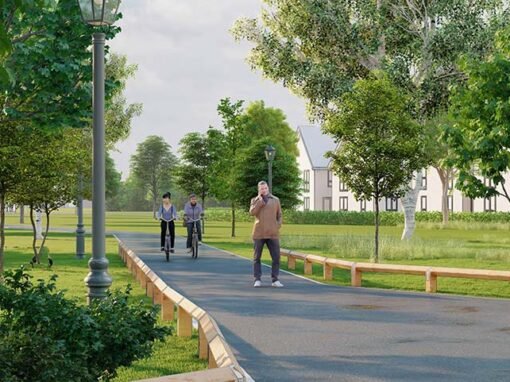
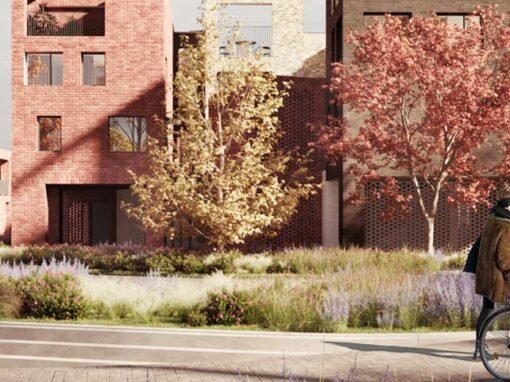
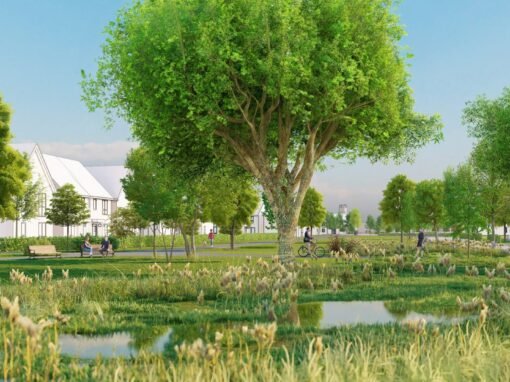
This Land achieved planning consent in 2021 for up to 230 units on land in South-East Cambridge released from the greenbelt for residential development in the 2018 Cambridge City Local Plan. The Eddeva Park development includes a new community space, landscaping, public green spaces, a play area, a bridleway and cycle routes.
Planning permission secured, This Land delivered the essential infrastructure (Phase 1) in a phased approach before a fully serviced parcel was sold to the Hill Group to develop in partnership with Cambridge City Council (Phase 3). Cambridge Investment Partnership (CIP), the partnership between Cambridge City Council and Hill Investment Partnerships, is delivering 150 homes. This Land is developing a second parcel of the site (Phase 2) in partnership with Cognisant Construction to bring forward a cohesive and well-planned new community: Twēġen Rise.
From the outset, sustainability was central to the design of the development, which includes green roofs, electric vehicle charging points for all homes with parking, cycle storage and air source heat pumps. This Land was one of the first developers in the region to introduce air source heat pumps (ASHPs) as a standard across all of its developments, including Eddeva Park.
The energy strategy for Eddeva Park was updated following changes in Building Regulations (Part L 2021), which emphasises reducing energy demand rather than relying on photovoltaic (PV) panels. The revised fabric-first approach to the scheme significantly improved on the original with thermal elements performing 30–50% above minimum requirements and air permeability reduced by around 40%.
In the original design, photovoltaic (PV) panels were central to the low-carbon energy strategy. Following changes to building regulations in 2023, and an increase in the renewable mix within the national grid, This Land evolved the energy strategy for the scheme to reduce energy demand through improved fabric performance. The revised scheme significantly improved on the original, with thermal elements performing 30 to 50 per cent above the minimum requirements and reducing rates of air permeability approximately 40 per cent. The Eddeva Park Housing design specification exceeds Building Regulations Part L 2022, improving the U value of external walls, floors and roofs by approximately 33 per cent and air-tightness by up to 50 per cent, delivering significantly lower heat loss and energy demand, with a corresponding reduction in each property’s operating carbon footprint.
The scheme, developed by This Land, has provided a blueprint for sustainable living in the heart of Cambridge.
Learn more about the Eddeva Park energy strategy.